Why Does a Common Rolex Reference Sell for Less Than I Expected?
Rolex watches have long held a reputation as symbols of luxury, craftsmanship, and timeless style. Many watch enthusiasts and collectors often gravitate towards Rolex references that seem universally recognized and sought-after. However, if you’ve ever tried to sell a common Rolex reference only to find its market value surprisingly lower than anticipated, you’re not alone.
In this blog post, we’ll explore why a common Rolex reference might sell for less than expected. We’ll delve into the nuances that influence a watch’s value—from the discrepancy between insurance appraisals and resale realities, to factors like condition, originality, and authentication. Along the way, we’ll reference insights from experts and businesses such as Daily Sundial (CSUN), Cosmic Press, and Diamond Banc, highlight essential valuation tools, and reveal smart strategies for understanding true market pricing.
Understanding the Disparity: Insurance Value vs. Market Value
One of the biggest sources of confusion among watch sellers is the difference between the value stated on homeowner’s policy paperwork and what they actually receive in resale offers. Many people assume that if their insurance appraisal says their Rolex is worth $10,000, that’s the same price the market will pay.
This is rarely the case.
Why Homeowner’s Policy Paperwork Doesn’t Equal Cash in Hand
- Insurance Appraisals Are Replacement Values: Insurance documents often reflect the cost to replace the watch with a new or comparable item, which usually factors in retail pricing and retail markups.
- Appraisals Can Include Premiums: Some insurance valuations include premiums for theft or loss risk, not just the intrinsic market value.
- No Guarantee of Buyer Demand: The secondary market responds to current trends, supply and demand, which insurance appraisals do not consider.
As highlighted in a recent piece by the Daily Sundial (CSUN), understanding this gap is essential—especially for those new to selling pre-owned watches. The insurance paperwork can be a helpful starting point, but relying solely on it can lead to unrealistic expectations.
The Reference Number Is Just the Starting Point
When evaluating Rolex watches, many sellers and buyers fixate on the reference number. This identifier, such as 116610 for Submariner Date or 16233 for Datejust, helps classify watches by model type, era, and configuration.
However, while the reference number does give a general indication of a watch’s category, it doesn’t tell the whole story. Here’s why:
- High Supply Rolex References Diminish Value: Common Rolex references tend to have a higher market supply. In simple economic terms, high supply often depresses prices compared to rare or limited production models. For example, a standard Submariner Date 116610 is produced in large quantities, increasing availability and limiting premium pricing despite the watch's strong reputation.
- Variations Within the Same Reference: Rolex is known for subtle variations even within one reference. Minor dial changes, bezel colors, bracelet types, or production year (which can affect movement or materials) significantly impact collector interest and, hence, price.
- Originality and Service History Matter Greatly: If the watch has replaced parts or non-original components, this often impacts resale offers negatively. While the reference number remains the same, such alterations can position the example lower in value tiers.
It’s important to remember that market pricing is not a flat rate for a reference, but a range depending on multiple intertwining criteria.
Condition and Originality: The Real Game-Changers in Pricing
If you want to understand why your Rolex might be selling for less than expected, take a closer look at condition and originality. These critical factors often more drastically impact resale offers than the mere reference.
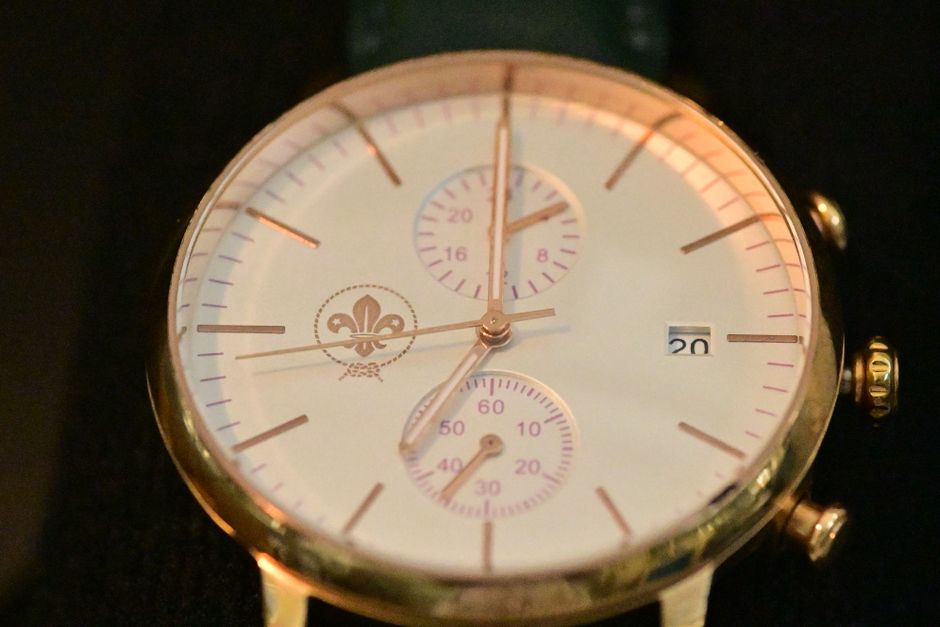
Condition
- Physical Wear: Scratches, dents, and signs of polishing can lower value. Unpolished or lightly polished watches tend to perform better on the resale market.
- Functionality: Watches requiring service or with mechanical issues command lower offers.
- Box and Papers: Having the original box, papers, and warranty cards typically boosts buyer confidence and value.
Companies like Diamond Banc, which specialize in luxury watch collateral and resale, often emphasize documentation and pristine condition in their valuation process.
Originality and Authentication
The watch industry is savvy to the details that separate genuine from aftermarket or counterfeit parts. This is more critical than ever given the rise of replacement dials, hands, and bezels that may look authentic but lower collector appeal.
Authentication matters beyond just buyer confidence. Watches with proven originality get https://sundial.csun.edu/219365/sundialbrandstudio/sundial-marketplace/that-watch-your-grandpa-left-you-might-be-worth-more-than-your-textbooks-combined/ better bids in both dealer and collector networks. When evaluating your Rolex, consider having it authenticated by trusted experts or through specialist services.
Cosmic Press, known for its in-depth industry reviews and technical analysis on luxury watches, frequently highlights the pitfalls of missing authentication documentation or replaced parts in resale pricing.
How to Get a Realistic Quote: Tap the Dealer and Collector Network
Getting an accurate valuation for your common Rolex reference means going beyond insurance paperwork. Start by reaching out to knowledgeable entities embedded in the dealer and collector network.
- Dealers: Authorized dealers may not buy back used watches but can offer insights on market trends. Independent dealers specializing in pre-owned Rolexes can give realistic quotes based on recent sales.
- Collectors: Some sales happen in collector circles where rarity and condition are well-appreciated and price negotiations more transparent.
- Resale Specialists: Companies like Diamond Banc meld expertise on collateral lending with resale offers, helping set expectations.
- Watch Shows and Forums: These communities often share recent transaction prices, offering a window into actual common reference value.
Always ask: “What did it actually sell for last month?” This simple but crucial question cuts through hype and gets to actual market behavior.
Summary: What Determines the Value of a Common Rolex Reference?
Factor Impact on Price Notes Insurance Appraisal Value Often Higher than Market Value Reflects replacement cost and premiums, not resale demand. Reference Number Base-Level Indicator High supply references usually have lower premiums. Condition Major Price Driver Unpolished, well-maintained watches fetch better offers. Originality and Authentication Critical to Value Original parts and documented authenticity increase demand. Dealer and Collector Market Determines Real-World Pricing Recent comparable sales provide the best guide.Final Thoughts
Common Rolex watches do not guarantee premium resale values solely based on their reference numbers or insured worth. Instead, realistic pricing reflects a convergence of market supply, condition, originality, and recent trade activity within specialized networks.
Before selling your Rolex, don’t just look at insurer paperwork—dig deep. Check recent sales, ensure complete box and papers are available, and confirm authenticity to maximize value.
With resources like Daily Sundial (CSUN) for fresh insights, Cosmic Press for industry knowledge, and Diamond Banc for valuation and collateral expertise, sellers have a modern toolkit to approach the market with confidence, not hype.

Remember, the question “ What did it actually sell for last month?” is your best compass toward understanding the real worth of any common Rolex reference.