What Should I Ask a Rolex Buyer About Timing and Payout?
If you are asking how long it takes to sell a Rolex, start by separating two questions: when will the buyer make a final decision, and when will you actually receive the money? A buyer may assess your watch quickly but still need to authenticate it, confirm its condition, and complete payment processing. A consignment business may quote a higher potential selling price while taking weeks or longer to find a buyer.
Before discussing numbers, gather the watch, box, papers, service records, and any extra links or accessories. They can help a buyer identify the exact watch and assess its completeness. Then ask specific questions about the offer, the inspection process, and the payout date. Clear answers make it easier to compare selling outright, borrowing against the watch, and consigning it.
Start with the exact watch and what comes with it
“Rolex” is not enough information to support a useful offer. The reference, production period, dial, bracelet, metal, and condition can all affect value. Even watches with the same reference may differ in originality, service history, and completeness.
Tell the buyer what you know, but avoid guessing. A sharp, well-lit set of photos can help with an initial assessment. The buyer may still need to inspect the watch in person before confirming a firm offer. Ask what they need to review before they can commit.
- What reference and approximate production year do you believe this is?
- Do you need photos of the serial number, clasp, dial, case, or movement?
- Should I include the box, papers, service records, spare links, and accessories in the assessment?
- Will your initial estimate change after physical inspection or authentication?
Having the box and papers does not guarantee a particular price, and their absence does not automatically rule out a sale. The important point is to give the buyer a complete, accurate picture before you compare offers.
Ask what “payout time” actually means
“We pay quickly” can mean several different things. It might mean the buyer sends an offer promptly, pays after receiving the watch, or begins a transfer after completing authentication. Ask the buyer to define the timeline in steps, from the moment you accept the offer to the moment funds reach your account.
Use direct questions such as:
- When does the payment clock start: when I accept, when you receive the watch, or after inspection?
- How long does authentication and condition grading usually take?
- Once you approve the watch, how soon do you send payment?
- What payment methods do you offer, and how long can each method take to clear?
- Do weekends, holidays, bank cutoffs, or shipping delays affect the timeline?
- What happens if the inspection takes longer than expected?
If a buyer advertises payment within 24 hours, ask what event starts those 24 hours and whether the promise applies to every transaction. For example, does it mean within 24 hours of the watch arriving, or within 24 hours after the buyer finishes authentication and agrees to the final condition? The distinction matters. A clear written timeline is more useful than a quick verbal assurance.
Also ask what could delay payment. A mismatch between the watch and the description, missing components, a condition issue, or an unresolved ownership question may require more review. A reputable buyer should explain the process without making you feel rushed.
Understand what makes an offer firm
A preliminary estimate is not always a firm offer. watchcharts rolex prices A buyer may provide a range based on photos, then revise it after inspecting the watch. That can be reasonable if the buyer explains the conditions upfront. What you want to avoid is accepting an unclear estimate and discovering that the final amount depends on criteria nobody discussed.
Ask the buyer to state, in writing, whether the amount is a firm offer and what could change it. If the amount can change, ask for the specific reasons. For example, the buyer might identify a condition discrepancy, a non-original component, or a difference in the reference as grounds for revising the price.
Questions to ask before you accept
- Is this a firm offer, or an estimate subject to inspection?
- How long does the offer remain valid?
- Which findings could reduce or cancel the offer?
- If you revise the offer, can I decline and have my watch returned?
- Who pays for insured shipping and return shipping?
- Will you send payment only after I approve any revised offer?
Get the answers in writing, including the amount, any fees, the expected payment date, and the return process. Keep copies of the listing, photos, shipping receipt, and messages. These records help both sides stay aligned about the watch’s condition and the terms of the transaction.
Compare the three main routes
The right option depends on what matters most to you. Selling outright usually favors speed and certainty. A loan against the watch can provide cash while allowing you to keep ownership, but it creates a repayment obligation. Consignment may offer higher potential proceeds, but it takes longer and the final sale price is https://smoothdecorator.com/can-i-use-my-rolex-to-bridge-a-real-estate-closing-without-selling-it/ not guaranteed.
Option How it works Timing to ask about Main trade-off Outright sale A buyer purchases the watch for an agreed amount. Inspection, final approval, and payment processing. Often the clearest route to a prompt, known payout, though the offer may be below a potential retail resale price. Loan against the watch You use the watch as collateral and receive a loan under agreed terms. Valuation, loan approval, funding, and the repayment deadline. You retain a path to ownership, but you must repay the loan and understand the consequences of default. Consignment A company markets and sells the watch for you, then pays you after the sale under the contract. Listing, time on market, buyer payment, and any return window. Higher potential proceeds, but less certainty about when the watch will sell or what you will net.Selling outright: prioritize speed and certainty
If you need a defined payout and do not want to wait for a retail buyer, an outright sale may suit you. The buyer gives you an offer, inspects and authenticates the watch, and pays once you accept the final terms. Ask whether the quoted amount is what you will receive or whether the buyer deducts shipping, transaction, or other fees.
Speed still depends on the buyer’s review and payment process. Ask for an estimated timeline for each stage, not just a headline claim. If you need funds by a particular date, say so and ask whether the buyer can realistically meet it. “Fast cash” often means a discounted offer, so compare the convenience against the amount you give up. Do not let urgency stop you from confirming the final payout and return terms.
Borrowing against a watch: keep ownership, take on a loan
A loan may fit if you need liquidity but want to keep the possibility of reclaiming your Rolex. It is not a sale, so do not compare the loan amount directly with a purchase offer as though they were the same thing. Ask for the annual interest rate, fees, loan term, repayment schedule, and total amount due to recover the watch.
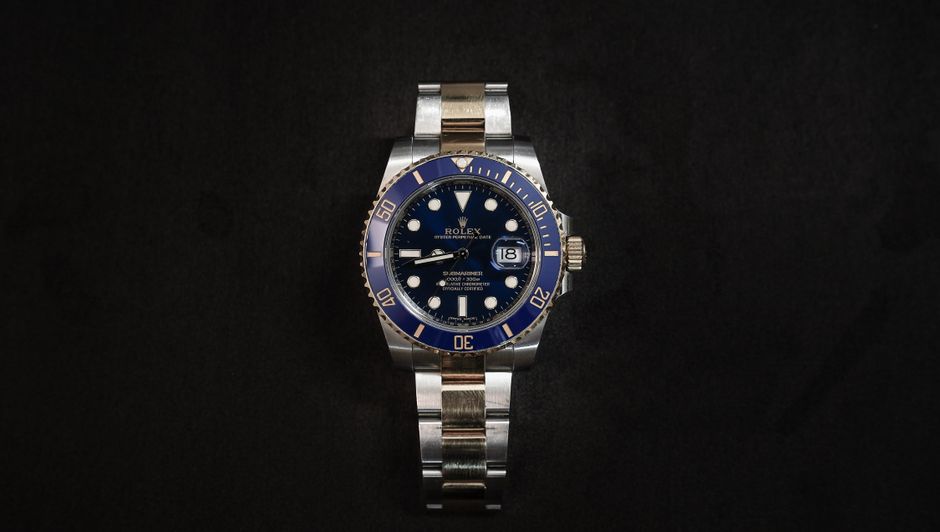
Clarify where and how the company stores the watch, what insurance covers, and what happens if you miss a payment. Ask whether you can repay early without a penalty. Most importantly, understand the default process and the deadline before you sign. A fast loan can solve a short-term cash need, but it can become expensive if you cannot repay on time.
Consignment: ask about the wait and the net proceeds
Consignment gives a company time to market the watch to its customers. You may have the potential to receive more than a direct-buy offer, but the company cannot promise a buyer will appear by a particular date or at a particular price. Consignment is not instant, even when the watch is desirable.
Ask how the company sets the asking price, how often it reviews that price, and whether it needs your approval before making a reduction. Get the commission and every other deduction in writing. Ask how long the agreement lasts, whether you can cancel, and how quickly the company will return the watch if it does not sell.
- What is the expected listing price, and what net amount might I receive after fees?
- When do you send payment after a buyer completes the purchase?
- Can you lower the price without my approval?
- Who covers insurance while the watch is in your possession and during shipping?
- How long does your typical consignment period last, and what happens when it ends?
Ask how the company evaluates value
Three factors deserve particular attention: reference, condition, and originality. The reference identifies the model and configuration. Condition includes wear, damage, polish, and the state of the movement and bracelet. Originality concerns whether important components match the watch’s correct configuration and period. A replaced dial, aftermarket part, or service component can affect buyer interest and value, so ask the company to explain how it treats those details.
Look for a buyer who can explain its process for authentication and condition grading. Ask who performs the work, what they inspect, and whether you can receive the findings if they change the offer. A company that uses pricing from live secondary-market data can describe how current listings and completed sales inform its assessment. Still, live data does not make every watch identical or guarantee a final price. The buyer should connect the market evidence to your specific reference, condition, originality, and completeness.
Be wary of a number with no explanation. Ask what comparable watches the buyer considered and whether those examples match your watch’s configuration and condition. A sound valuation should make clear how the buyer arrived at the offer, not just present a figure as self-evident.
Compare offers on the same basis
When you compare buyers, write down more than the headline amount. Record the net payout, the date you can expect funds, the conditions that could change the offer, and who pays shipping. For a loan, record the total repayment cost and deadline. For consignment, compare the estimated net proceeds and the time and uncertainty involved.
A simple comparison helps:
- Net amount: What will you receive after all fees and deductions?
- Certainty: Is the offer firm, or can the buyer revise it?
- Timing: What are the actual start and end points for the payout estimate?
- Control: Can you decline a revised offer or cancel a consignment?
- Risk: Who insures the watch, and what happens if shipping or payment runs into trouble?
A short script for your first call
You can keep the conversation focused with a few direct questions:

- “I have the watch, box, papers, and service records. What do you need to identify the reference and review its condition?”
- “Is your number a firm offer or an estimate pending authentication?”
- “What exactly happens between my acceptance and payment, and what is the expected timeline for each step?”
- “If you change the offer after inspection, can I decline and have the watch returned at no cost?”
- “If I consign or borrow against it instead, what are the fees, deadlines, and obligations?”
Choose the timeline that fits your needs
The best Rolex buyer is not always the one who promises the fastest response. Look for clear terms, a credible inspection process, and a timeline tied to specific steps. Selling outright can offer speed and a known payout once you accept the final offer. Borrowing can preserve ownership but requires careful attention to repayment. Consignment can pursue higher potential proceeds, but it asks you to accept a longer, less certain wait.
Before you decide, confirm the watch’s details, ask how the company handles authentication and condition grading, and request the offer and payment terms in writing. A precise answer to “When will I be paid?” should tell you what must happen first, who handles each step, and what you will receive after fees. That is the information you need to compare a sell Rolex payout time claim with the real terms behind it.