Do Rolex-Backed Loans Require a Personal Guarantee?
Short answer: not always—but a Rolex-backed loan does not automatically mean you can borrow without a personal guarantee. The answer depends on the lender, who borrows the money, how the loan documents define recourse, and what happens if the watch’s sale proceeds do not cover the balance.
For an Arizona small-business owner facing a payroll date, a delayed customer payment, or a short-term inventory opportunity, a Rolex may offer another financing route. The watch can serve as collateral, potentially helping the borrower access funds without applying for a conventional business loan. But “secured by a Rolex” and “no personal guarantee” are different promises. Read the agreement before you rely on either one.
What a Personal Guarantee Means
A personal guarantee is a promise that the owner will repay a business debt from personal assets if the business does not. It can give the lender a claim beyond the pledged watch, depending on the contract and applicable law.
What it means for payroll: If the business cannot repay, a personal guarantee may put the owner’s personal finances at risk—not just the Rolex pledged for the loan.
Some lenders require a guarantee even when they also hold collateral. Others may offer a no personal guarantee option because the pledged watch is their primary repayment protection. A lender might also structure the transaction as a loan to an individual rather than to the business. In that case, the borrower may already be personally responsible without signing a separate document labeled “personal guarantee.”
So ask more than, “Do you require a PG?” Ask who the borrower is, what assets the lender can pursue after default, and whether the lender can seek a deficiency—the amount left unpaid after selling the collateral.
How a Rolex-Backed Loan Works
In a collateral-based loan, the borrower pledges an asset to secure repayment. The lender evaluates the watch, decides how much it is willing to advance, and sets the interest rate, fees, term, and repayment conditions. The lender may hold the watch during the loan or use another custody arrangement described in the contract.
What it means for payroll: Collateral is the asset the lender can rely on if you miss payments, so it may help you borrow without selling the watch outright.
For a Rolex, the lender typically considers the exact model and reference, condition, completeness, service history, and demand in the resale market. The lender’s offer is not necessarily the same as the watch’s retail price or an online listing price. It is based on what the lender believes it could recover through a sale, adjusted for its costs, risk, and sell rolex vs borrow required margin.
That distinction matters. A business owner may see a watch listed online for a high amount and expect a loan based on that figure. But asking prices are not confirmed sale prices, and the lender may account for how long resale could take, whether the watch is authentic, and whether its condition or documentation affects buyer demand.
Rolex Liquidity and Secondary-Market Pricing
Rolex watches often have an active secondary market, but liquidity varies. “Liquidity” means how readily an asset can be converted into cash at a dependable price.
What it means for payroll: A liquid watch may be easier to turn into funds, but the amount and timing still depend on the specific model and buyer demand.
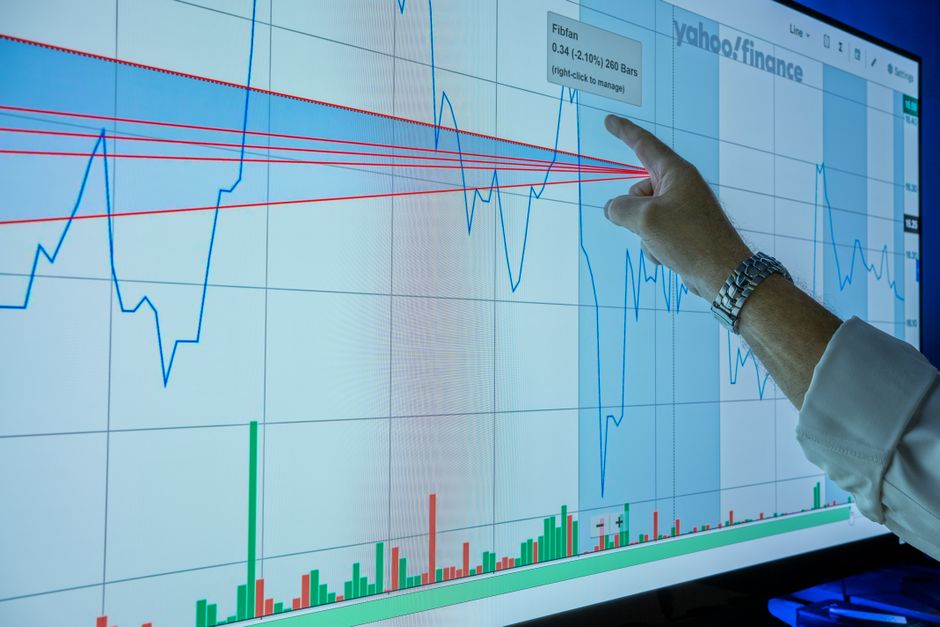
Publicly tracked secondary-market pricing data can help borrowers and lenders see market direction and compare models. It can be a useful reference point, not a guaranteed valuation. Data may reflect different conditions, regions, transaction types, or reporting periods. A private sale, dealer purchase, and auction result can produce different net amounts.
When reviewing a lender’s valuation, ask which pricing sources it considered and how it adjusted for condition, completeness, and sale costs. If the lender relies on publicly tracked secondary-market data, ask whether it uses completed transactions, asking prices, or a mix. No single chart should substitute for an assessment of the actual watch.
Why Authentication Matters
A qualified watch specialist should inspect the Rolex before the lender finalizes its offer. Authentication can involve examining the watch’s components, reference details, movement, condition, and supporting documentation. The precise inspection process varies by specialist and watch.
What it means for payroll: Authentication helps prevent a funding delay—or a declined loan—caused by unresolved questions about what you are pledging.
Bring any available box, papers, service records, receipts, and prior appraisal documents. These materials may support the evaluation, but they do not replace an in-person inspection. Ask who performs authentication, whether the lender accepts an independent specialist, who pays for the inspection, and what happens if the result differs from your expectations.
Do not assume that an online estimate, a sales receipt, or an earlier insurance appraisal guarantees the lender’s valuation. Each serves a different purpose, and the lender makes its own credit and collateral decision.
When a No-Personal-Guarantee Option May Be Available
A lender may consider a collateral-only loan when it expects the watch to provide sufficient protection for the amount advanced. “Collateral-only” generally means the lender relies primarily on the pledged asset for repayment, but the label alone does not settle your legal exposure. The written contract does.
What it means for payroll: A collateral-only structure may limit the lender’s repayment source to the watch, but only if the agreement actually limits recourse that way.
Before accepting an offer, confirm whether the loan is:
- Made to you personally or to your business.
- Recourse or non-recourse, and what those terms mean under the agreement.
- Secured only by the Rolex or also by other collateral.
- Subject to a separate personal guarantee, indemnity, or other repayment promise.
- Structured so the lender can pursue a deficiency after selling the watch.
“Non-recourse” generally points to limits on what a lender can pursue after default, but exceptions and exact wording matter. For example, some agreements treat fraud, misrepresentation, or unauthorized transfer of collateral differently. Do not assume a verbal assurance overrides the signed documents. If the potential exposure is significant, have an Arizona attorney review the agreement.
Speed Versus Cost: The Real Financing Tradeoff
Asset-backed lenders may be able to assess a watch without the same process as a bank’s broader review of a company’s finances. That can make a Rolex-backed loan worth exploring when timing matters. It does not mean every lender funds immediately. Authentication, document review, custody arrangements, and payment processing all take time.
What it means for payroll: A quicker funding route may help cover a near-term payroll gap, but the total cost can reduce the cash left for future pay periods.
Ask the lender to state the expected timeline in specific steps: when the watch must be inspected, when the lender will issue a final offer, what documents you must sign, and when funds should arrive after approval. “Fast approval” is not a useful timeline unless the lender explains what happens and when.
Compare the total cost—not just the stated interest rate. Request the amount you will receive after fees, the full repayment amount, the due dates, late charges, extension terms, and any costs associated with storing, insuring, or selling the watch. A shorter-term loan may have a lower total cost in some cases, but a large payment due soon can create another cash-flow problem.
Can You Avoid a Bank Inquiry?
Some borrowers look at a Rolex-backed loan because they want to avoid a bank inquiry. That phrase can mean different things: avoiding a conventional bank application, avoiding a hard credit inquiry, or avoiding questions about business deposits and financial statements.
What it means for payroll: Fewer bank documents may simplify an application, but you still need to confirm what information the lender will request and when funds will arrive.
A specialty lender may focus more heavily on the watch than a bank would. However, do not assume it will skip identity checks, credit review, business documentation, or a bank-account verification. Policies vary. Ask whether the lender will make a hard or soft credit inquiry, whether it needs bank statements, and whether it verifies the account where it sends proceeds.
Also, avoiding a bank application does not make the loan free of consequences. The lender may hold your Rolex, charge a higher rate than a bank, or set a short repayment deadline. Compare the convenience with the financial cost and the risk of losing an asset you value.
Questions to Ask Before You Pledge the Watch
Get clear answers in writing rolex-backed loan before handing over the watch or signing the loan documents. Use this checklist:
- Who is the borrower? You, your company, or both?
- Is a personal guarantee required? Ask whether another clause creates personal repayment liability even without that label.
- What happens after default? Can the lender sell the watch and pursue you for a remaining balance?
- How did the lender value the Rolex? Ask about secondary-market data, condition adjustments, and expected sale costs.
- Who authenticates it? Confirm the specialist’s qualifications and who pays for the inspection.
- What is the complete cost? Get the net proceeds, fees, payment schedule, and total repayment amount.
- What is the funding timeline? Ask for expected dates from inspection through receipt of funds.
- What happens if you need more time? Check extension options, additional costs, and the deadline to redeem the watch.
- What information will the lender check? Clarify credit inquiries, bank statements, and account verification.
Is a Rolex-Backed Loan Right for a Small Business?
A Rolex-backed loan may suit an owner who has a short-lived cash-flow gap, expects a specific incoming payment, and can repay on a defined schedule. For example, a contractor awaiting a customer payment might compare the loan’s cost with the consequences of delaying payroll or missing a time-sensitive purchase. The business should identify the repayment source before pledging the watch—not rely on the hope that revenue will arrive.
What it means for payroll: Borrow only when you can explain which incoming cash will repay the loan without creating the next payroll shortfall.
It may be a poor fit if the business has no reliable repayment plan, the loan terms require a payment before expected revenue arrives, or losing the watch would cause serious personal or financial harm. A bank line of credit, invoice financing, or another source could cost less, although each comes with its own approval process, timing, and obligations.
The practical answer to “Do Rolex-backed loans require a personal guarantee?” is: some do, some may not, and the contract decides. Confirm the borrower, recourse terms, and deficiency rights in writing. Then compare the lender’s valuation with publicly tracked secondary-market pricing, have a qualified specialist authenticate the watch, and weigh funding timing against total cost. That is how you can assess a no personal guarantee option without mistaking a marketing label for a legal safeguard.
